
Four Years On: What Have Victoria’s Alcohol Delivery Reforms Actually Achieved?
In 2022, Victoria introduced a range of reforms aimed at regulating the supply and delivery of alcohol purchased online, through apps and via other off-premises ordering platforms.
The reforms were designed to minimise alcohol-related harm while recognising the growing popularity of home delivery services. Key changes included restrictions on deliveries after 11pm, requirements for age verification, offences relating to the delivery of alcohol to intoxicated persons, and obligations relating to unattended deliveries and record keeping.
Four years on, a recently released report examining consumer experiences provides some useful insight into how these reforms are operating in practice.
The findings raise an important question: have the reforms achieved their intended objectives?
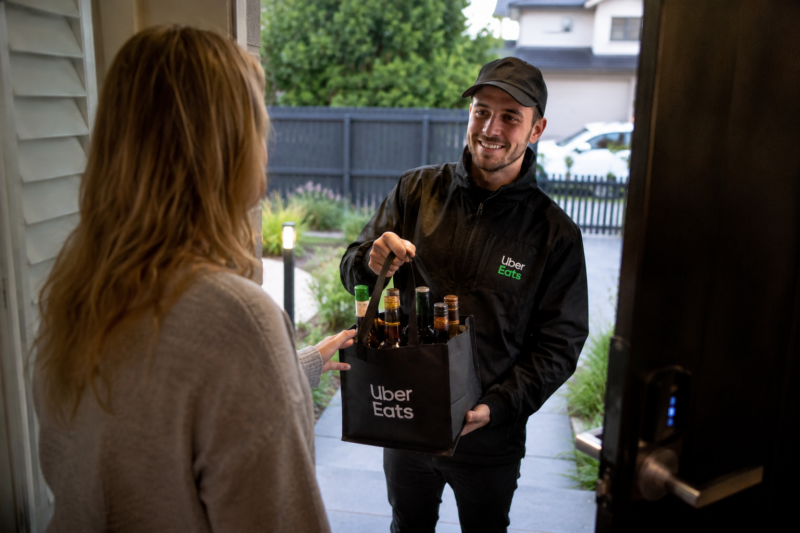
What Changed in 2022?
The reforms introduced a number of requirements for both liquor licence holders and delivery personnel.
These included:
- A prohibition on alcohol deliveries after 11pm;
- A requirement that same-day alcohol deliveries not be left unattended;
- Customer age declarations at the point of ordering;
- Mandatory identification checks for first-time customers; and
- New record keeping requirements for failed deliveries involving minors or intoxicated persons.
The reforms sought to address concerns that alcohol purchased online may be more difficult to regulate than alcohol sold through traditional bottle shops and licensed venues.
What Did The Study Find?
The study surveyed 149 Victorian consumers who had used alcohol delivery services and included responses from 21 delivery drivers. In addition, qualitative interviews were undertaken with 15 consumers.
The findings suggest that several of the reforms are having a positive impact.
Respondents reported that they were more likely to be asked for identification, more likely to have proof of age checked, and less likely to have alcohol left unattended following the introduction of the reforms. Instances of alcohol being delivered after 11pm also appeared relatively uncommon.
From a compliance perspective, these outcomes suggest that many licence holders and delivery providers have adapted their procedures in response to the legislative changes.
The Ongoing Challenge of Intoxication Assessments
One finding that attracted considerable attention was that 40% of respondents reported receiving an alcohol delivery while intoxicated.
At first glance, this statistic appears concerning. However, it also highlights one of the most challenging aspects of regulating alcohol delivery.
Unlike staff working within a licensed venue, delivery drivers generally interact with customers for only a brief period of time. They do not observe a customer’s behaviour throughout the evening and often have limited information available when making decisions regarding service.
The report itself noted concerns regarding whether delivery drivers are able to effectively assess intoxication and whether it is reasonable or safe for them to carry that responsibility.
This issue represents one of the key practical challenges facing regulators and industry alike.
Responsible service obligations are relatively straightforward to apply within a licensed venue. Applying those same principles at a residential doorstep is significantly more complex.
Consumer Awareness Remains Low
Interestingly, most interview participants were unaware that the reforms existed until they were explained during the interview process.
While many participants supported the reforms once they understood them, there was a common perception that implementation was inconsistent and that the measures had limited impact on their own purchasing behaviour.
This suggests that the success of the reforms may be less dependent on consumer awareness and more dependent on the compliance systems adopted by licence holders and delivery providers.
What Could Come Next?
The report includes a number of recommendations for future consideration.
These include:
- Greater visibility of low-risk drinking information;
- Mandatory customer acknowledgements regarding alcohol delivery laws;
- Increased enforcement activities;
- Additional restrictions on promotional advertising; and
- Responsible Service of Alcohol training for alcohol delivery personnel.
Whether all of these recommendations are ultimately adopted remains to be seen. However, they provide a useful indication of the direction future policy discussions may take.
For liquor licence holders involved in online alcohol sales, ongoing compliance obligations are unlikely to decrease.
What Does This Mean For Licence Holders?
For businesses offering alcohol delivery services, the report reinforces the importance of maintaining robust compliance systems.
Age verification, delivery procedures, staff training and record keeping remain critical areas of focus. While the reforms appear to have improved compliance outcomes in several areas, regulators are likely to continue monitoring the sector closely.
Businesses that proactively review and strengthen their delivery procedures will be best placed to respond to any future regulatory changes.
Final Thoughts
The latest research does not suggest that Victoria’s alcohol delivery reforms have failed.
In fact, the evidence indicates that several key objectives — particularly around identification checks, age verification and unattended deliveries — are producing positive outcomes.
However, the issue of assessing intoxication at the point of delivery remains unresolved and presents unique practical and safety challenges that differ significantly from traditional licensed venue environments.
As online alcohol sales continue to grow, the challenge for policymakers will be balancing harm minimisation objectives with the operational realities faced by licence holders and delivery drivers.
For industry participants, the message is clear: alcohol delivery compliance remains an evolving area of liquor regulation and one that deserves ongoing attention.